Food Focus: Tomatoes
Food Focus: Tomatoes
Folklore
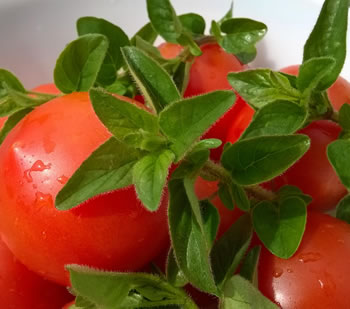
Tomatoes used to be grown solely for decorations. In fact, during Colonial times, tomatoes were thought to be poisonous and that its poison would turn blood into acid. Meanwhile, the native people of South and Central America regarded tomato seeds as aphrodisiacs. The first tomatoes were probably first cultivated in Peru (wild tomatoes can still be found in the Andes).
The names associated with the tomato in Europe didn’t help the Puritans feel at ease: “pomi d’oro” (golden apple) in Italian & the French “pomme d’amour” (love apple). It didn’t help matters that, except for the fruit, all of the plant components are poisonous. Luckily, once the Colonists tasted the fruit, the tomato was here to stay.
Although botanically the tomato is a fruit, a dispute arose in 1887 over the taxability of tomatoes (they were treated as vegetables). In 1893, the Supreme Court ruled in that the tomato was a vegetable and therefore subject to the tariff. Now, the tomato is the state vegetable of New Jersey, and in Arkansas, the tomato is both the state fruit and the state vegetable!
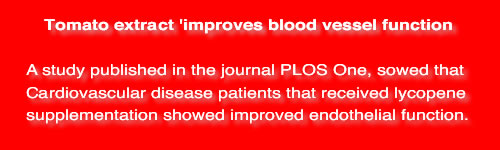
The tomato made an impact on modern science because it began to pop up on the lists of foods preferred by people that were cancer free. In a large study in Wales, tomatoes ranked high as protectors against acute appendicitis.
Possible Therapeutic &/or Preventative Effects:
- Cancer
- Cardiovascular Disease
- Appendicitis
- Prostate Cancer
- Colorectal Cancer
- Blood pressure
- Heart health
- Diabetes
- Skin
- Constipation
- Pregnancy
- Depression
Nutrition Data
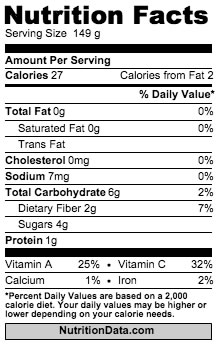
Tomatoes are low in sodium and high in potassium and contain:
- Vitamin E
- Thiamine
- Riboflavin
- Niacin
- Vitamin B6
- Folate
- Manganese
- phosphorous
- magnesium
| Vitamin | %DV |
| Vitamin A | 25% |
| Vitamin C | 32% |
| Vitamin K | 15% |
| Potassium | 10% |
Risks and Precautions
- Buy organic, if at all possible. Cherry tomatoes are on The Environmental Working Group’s Dirty Dozen, which suggests that conventionally grown cherry tomatoes have a higher risk of pesticide exposure.
- Since tomatoes are high in potassium, they should be used in moderation when taking Beta-blockers (which can cause potassium levels to increase in the blood). If you have kidney function issues, your kidneys might not be able to remove excess potassium from the blood, so extreme caution should be taken when eating foods that are high in potassium.
Sources:
- Jean Carper, The Food Pharmacy, Bantam Book, 1988
- http://www.medicalnewstoday.com
- https://www.planetnatural.com/
- http://nutritiondata.self.com/