Food Focus: Incredible Kale

Food Focus: Incredible Kale

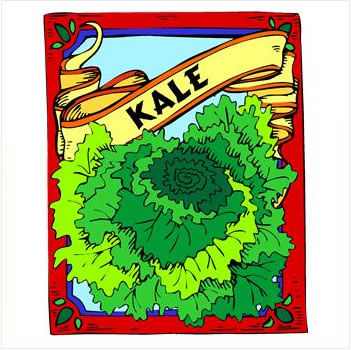
KALE:

Kale is rich in flavonoid compounds, such as lutein, zea-xanthin and beta-carotene. A 100g (approx. 1-1/3 cup) contains 3.3g of protein. Yes, protein! In terms of percentage of RDA, it also contains:

Vitamins

  • Folates – 7%
  • Niacin – 6%
  • Pantothenic acid – 1.5%
  • Pyridoxine – 21%
  • Riboflavin – 10%
  • Thiamin – 9%
  • Vitamin A – 512%
  • Vitamin C – 200%
  • Vitamin K – 681%

Electrolytes

  • Sodium – 3%
  • Potassium – 9.5%

Minerals

  • Calcium – 13.5%
  • Copper – 32%
  • Iron – 21%
  • Magnesium – 8%
  • Manganese – 34%
  • Phosphorous – 8%
  • Selenium – 1.5%
  • Zinc – 4%

Kale has so many nutritional components that could provide protection from Vitamin A deficiency, osteoporosis, iron-deficiency anemia, cardiovascular diseases, and certain cancers. However, all foods are medicines. Please be aware that there are possible contraindications as well.

CONTRAINDICATIONS – Because of its high vitamin K content, please use kale with extreme caution or avoid it all together if you are taking anti-coagulant medications. Kale increases the vitamin K concentration in the blood system, which is what anti-coagulants attempt to lower.

Similar Posts

  • Food Focus: Beans

    Food Focus: Beans (This article appeared in the February, 2011 issue of A Healthy You.) Beans. They are good for the heart. Beans are found in most traditional cultures as a staple food, offering grounding and strengthening properties that enhance endurance: Beans, or legumes, which include peas and lentils, are an excellent source of plant-based…

  • Food Focus: Fruit

    Food Focus: Fruit (This article appeared in the June, 2011 edition of A Healthy You) A healthy lifestyle is the key to longevity, optimum weight, abundant energy and balance. By using fruit to satisfy our taste for sweetness, we can leave behind the use of chemical, processed and refined sweeteners. Fruits are easy to digest,…

  • Food Focus: Tomatoes

    Food Focus: Tomatoes Folklore Tomatoes used to be grown solely for decorations. In fact, during Colonial times, tomatoes were thought to be poisonous and that its poison would turn blood into acid. Meanwhile, the native people of South and Central America regarded tomato seeds as aphrodisiacs. The first tomatoes were probably first cultivated in Peru…

  • Food Focus: Raw Honey

    Raw Honey (This article previously appeared in the September edition of A Healthy You.) Everyone seems to love honey, one of the oldest natural sweeteners on the market. The flavor of honey varies depending on the plant source. Some are very dark and intensely flavored. Wherever possible, choose raw honey, as it is unrefined and…

One Comment

Comments are closed.