
Food Focus: Oils & Fats
FOOD FOCUS: OILS AND FATS
(This article appeared in the November, 2010 issue of A Healthy You.)
Not all oils and fats are created equal. Heavily processed, hydrogenated, “trans” fats and oils that are used in prepared, packaged foods can be extremely damaging to the body. However, fats and oils from whole foods and other high-quality sources can steady our metabolism, keep hormone levels even, nourish our skin, hair and nails and provide lubrication to keep the body functioning fluidly. Our bodies also need fat for insulation and to protect and hold our organs in place.
A healthy percentage of high-quality fat in a meal satisfies and leaves feelings of energy, fulfillment and warmth. When there are excess fats and oils in the diet, especially heavily processed fats, symptoms can include weight gain, skin breakouts, high blood pressure, liver strain and an overall feeling of mental, physical and emotional heaviness. Signs of insufficient high-quality fats are brittle hair and nails, dry skin, hunger after meals and feeling cold.
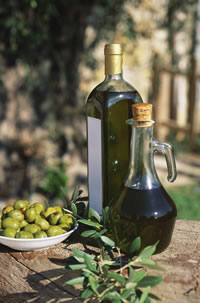 There are many sources of healthy fats and oils:
- For sautéing and baking, try butter, ghee (clarified butter) or coconut oil because they do not break down when used at high temperatures.
- When sautéing foods at moderate temperatures, try organic extra virgin olive oil.
- Oils like flaxseed, sesame, toasted sesame, walnut and pumpkin seed are best used unheated in sauces or dressings on top of salads, veggies or grains.
- Other healthy fats are found in whole nuts and seeds and in their butters like almond butter or tahini.
- Whole foods such as avocados, olives and coconuts are great sources of healthy fat, along with wild salmon and omega-3 and omega-6 organic eggs.
Experiment with these healthy fat sources and see which work best for you and leave you satisfied. When selecting oils, buy the highest-quality organic products you can afford, since cooking oils are the backbone of so many dishes. Good words to look for on the label are organic, first-pressed, cold- pressed, extra-virgin and unrefined. Words to avoid are expeller-pressed, refined and solvent extracted.
2 Comments
Comments are closed.