Color Your Plate Healthy
Color Your Plate Healthy
How are you doing with your New Year’s resolution?
Every year millions of Americans make resolutions on January 1st. Many of them have something to do with improving health and wellness. But by February 1st a majority of those resolutions have gone right out the window.
Since 1980 the American Dietetic Associate has been providing a gentle springtime reminder by celebrating National Nutrition Month in March. Each year there is a theme to help us eat better and be healthier. This year’s theme is “Eat Right with Color.”
So how does it work?
Think back to your last meal. How many colors were on your plate? If you answered 4 or 5, then congrats! You are eating right with color.
If you answered 1 or 2, then let’s talk:
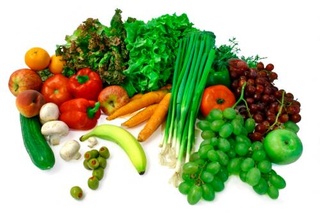
Mother Nature has a habit of putting lots of healthy vitamins and minerals into foods that grow in the dirt, but did you know she took the trouble to color-code them for our convenience?
- green foods contain antioxidants and nutrients that promote healthy vision
- orange and deep yellow foods also help promote healthy vision, plus they contain vitamins that boost your immune system
- purple and blue foods contain antioxidants that provide anti-aging benefits, plus they help with memory, and urinary tract health
- red foods are good for heart health, vision, and your immune system
- some white, tan, and brown foods have nutrients that promote heart health
- bonus: each of these colors also help reduce your risk of cancer!
Of course, these aren’t the only benefits to eating a more colorful, plant-based diet. These kinds of foods also provide a good source of fiber, a boost in mental function, and tons of other feel-good perks.
So load up those plates with color and let’s celebrate good nutrition all year long!
How are you going to eat more colors this month?
-Contributed by The Institute for Integrative Nutrition