Seasonal changes and your mood
Seasonal changes and your mood
(This article appeared in the October 2011 issue of A Healthy You and was prepared as part of a collaborative effort with other IIN Health Coaches).)
 Seasonal changes have a distinct effect on your moods, your physical activity and what you eat. If you live in more northern latitudes, which includes most of the US, you probably experience some sort of changes in your body with the changes of the seasons.
Most people don’t pay attention to these changes or understand that they are happening. For example, do you feel tired or just want to stay home and “nest” in the winter? Do you dream of sitting on the beach just to soak up the sun’s rays? Do you crave warm foods such as casseroles, stews or soups; or even sweets or chocolates during the winter months?
Fighting depression in the winter is extremely common, even for people who would never classify themselves as depressed. Our body clocks are geared with the rise and fall of the sun and the position of the sun in the sky. If you live anywhere above 35 degrees north latitude you most likely aren’t getting enough sun or vitamin D in the winter. This has a measured effect on one’s mood and overall health.
Many people turn to pharmaceuticals and specifically anti-depressants to fix the problem. These don’t work, except for extreme circumstances. Foods affect your mood, some positively, some negatively. Some foods that should be included in the winter months are the most prevalent.
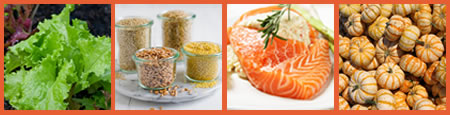
- Dark Leafy Vegetables – pack with nutrients including Folic Acid, and B vitamins. They are known to help eliminate depression.
- Winter squash – high in carotene, as well as a good source of Vitamin C, B1, folic acid, potassium and dietary fiber.
- Cold water fish or fish oil – contains Omega-3 fatty acids. Essential fatty acids (EFA) are called essential for a reason; our body doesn’t produce them so we must get them from food sources.
- Whole grains – High in B Vitamins which positively affect mood and are digested slower than refined grains.
Some things to avoid:
Pharmaceutical drugs – Many classes of pharmaceutical drugs cause depression, including anti-depressants.
Sugars and simple carbohydrates – When craving sugar, first drink water; your body may be signaling that it is thirsty. Substitute dark chocolate for whatever sugary foods you crave, not the whole chocolate bar, just a few bites. Simple carbohydrates raise blood sugar levels so the body is ready to expel a good quantity of energy. When not used, the body crashes and often leaves us feeling low and depressed. Substitute whole grains for refined grains; the closer the grain is to its original form when plucked from nature the better it is for you. Refined grains have had the nutrition stripped away.
Soft drinks (including “diet” soft drinks, juice-waters and fortified waters) – Drink real water. We don’t need to improve on the perfect fluid nature gave us for our bodies. All of these have some from of sugar or chemical based sugar substitute; all of which can lead to long term disease. Instead of juice drinks; eat the real fruit. The fibre in fruit helps to slowly metabolize the natural sugars in the fruit.
Our bodies crave water and when the months are colder sometimes we forget or feel we don’t need to consume water regularly. Experiment a little; write down what you crave and the mood attached to that craving and see how that changes with the seasons. You may be surprised at what you’ve recorded and that can be a basis for changing what you eat/drink to satisfy those cravings. Good luck!